Breya Academy

Breya Engineering Career Explorer

Hardware, electronics, and software on one workbench

Explore how physical systems meet firmware and field validation. Language we use: specs, hardening, compliance, and drafting, not pitch decks.

Mentor and student in lab coats and goggles reviewing a microscope slide together at a lab bench

Mentored lab work · hands-on inquiry

Systems thinking grid

Technical hardening across four domains

Tap a quadrant to emphasize. Each ties a core engineering skill to a hardening outcome you can defend in a design review.

Engineering blueprint library

Technical role cards & build roadmaps

Each card maps a practitioner path through requirements, digital drafting, and validation. Search by keyword to narrow roles, then open a spec excerpt like you would in a design review.

Students working with circuits and hardware in a technology classroom

Real benches where schematics meet soldering and debugging

5 roles match

Systems Architect

Owns the requirements thread from stakeholder language to verifiable subsystems: interfaces, budgets, and compliance gates.

Build roadmap

1

Phase 1 · Requirements gathering & specs

Design brief

Stakeholder interviews translated into a design brief: mission threads, non-negotiable constraints, and measurable acceptance criteria.

2

Phase 2 · Schematics & digital twins

Digital build

Architecture diagrams, digital twin assumptions, and interface control documents (ICDs) drafted before metal is cut.

3

Phase 3 · Stress testing & iteration

Safety audit

Stress cases, FMEA-style prompts, and iteration logs, with every change tied to a validation artifact.
Mechatronics Lead

Integrates mechanics, drives, and controls, and owns the bring-up checklist when the first integrated prototype lands.

Build roadmap

1

Phase 1 · Requirements gathering & specs

Design brief

Kinematic targets, torque/speed envelope, and sensor suite locked in a frozen requirements baseline.

2

Phase 2 · Schematics & digital twins

Digital build

CAD + ECAD + control Sim: plant models, driver sizing, and harness pinouts in a single revisioned bundle.

3

Phase 3 · Stress testing & iteration

Safety audit

HALT-minded bench tests, regression after firmware bumps, and safety interlock sign-off checklist.

Sustainable Infrastructure Engineer

Designs resilient civil-adjacent systems with telemetry: efficiency, lifecycle carbon, and operator-grade reliability.

Build roadmap

1

Phase 1 · Requirements gathering & specs

Design brief

Site constraints, tariff/regulatory snapshot, and KPIs: kWh, peak demand, and resilience hours required.

2

Phase 2 · Schematics & digital twins

Digital build

Energy models, digital twins of distribution paths, and SCADA tag lists for observability.

3

Phase 3 · Stress testing & iteration

Safety audit

Seasonal stress tests, contingency drills, and efficiency validation against simulated weather tapes.

Embedded Platform Lead

Delivers the board support package and RTOS/integration story from clocks to peripherals to secure update.

Build roadmap

1

Phase 1 · Requirements gathering & specs

Design brief

Silicon constraints, safety integrity targets, and peripheral list with timing-critical markers.

2

Phase 2 · Schematics & digital twins

Digital build

Schematic review loops, layout constraints for DDR/RF, and digital twin of power sequencing.

3

Phase 3 · Stress testing & iteration

Safety audit

DV environment matrix, long-run soak tests, and trace capture for intermittent faults.

Prototyping & Manufacturing Engineer

Turns CAD into repeatable parts: fixtures, tolerances, and first-article inspection packages.

Build roadmap

1

Phase 1 · Requirements gathering & specs

Design brief

Prototype intent: fidelity level, material callouts, and cost/lead-time envelope for shop buys.

2

Phase 2 · Schematics & digital twins

Digital build

STEP releases under revision, CAM verification sims, and digital twin of machine setup.

3

Phase 3 · Stress testing & iteration

Safety audit

First-article inspection, tolerance stack review, and rework disposition with validation sign-off.

The shop lab

Skill challenges you can build or simulate

Treat each challenge like a mini program: write assumptions, define acceptance criteria, and capture validation evidence from real bench work. Compliance and hardening start in the notebook and at the vise, breadboard, or CAD station.

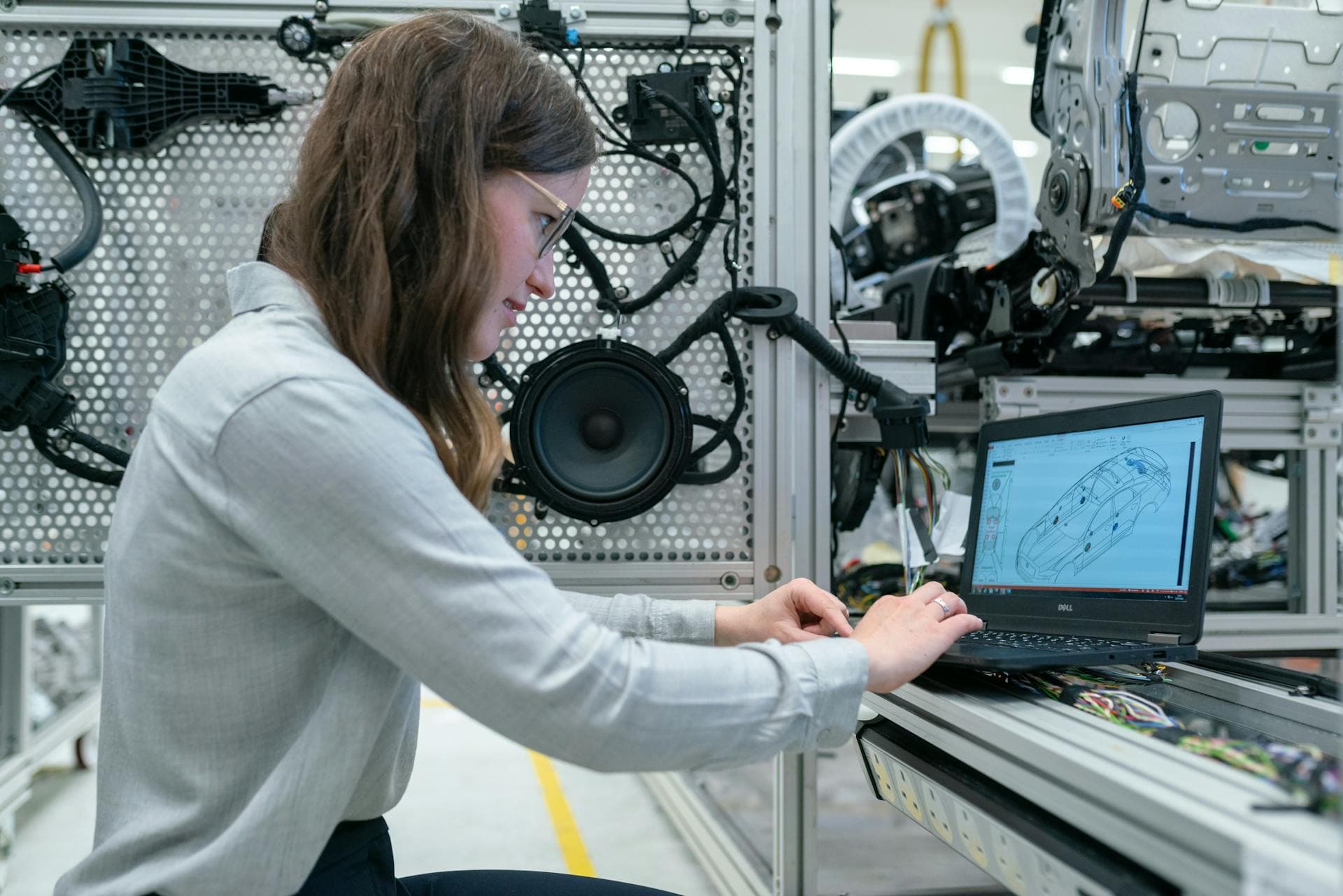
A young woman in an automotive systems lab working on vehicle CAD with hardware rigs behind her
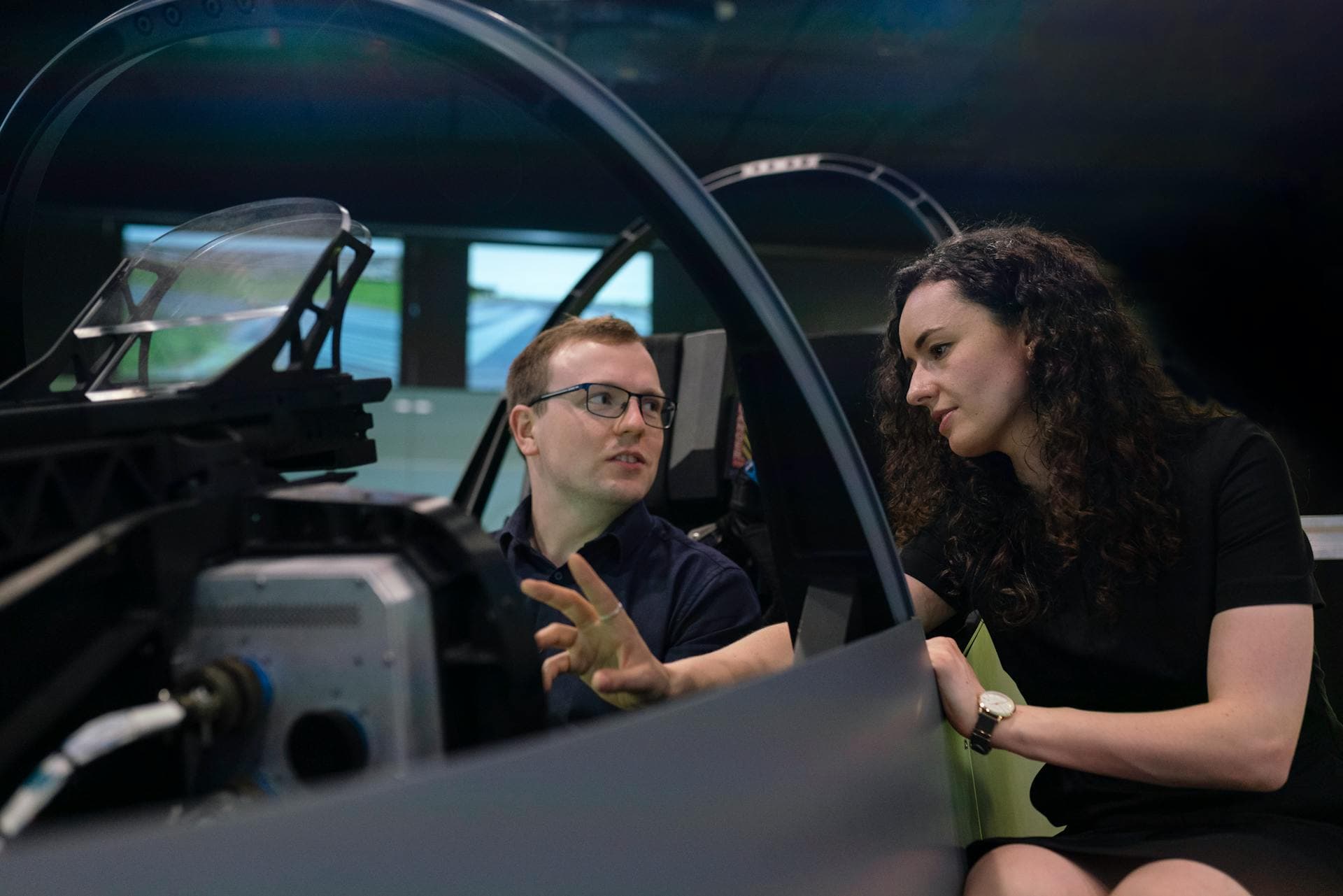
Engineers in a dark simulation lab inspecting cockpit hardware and wiring on a test rig
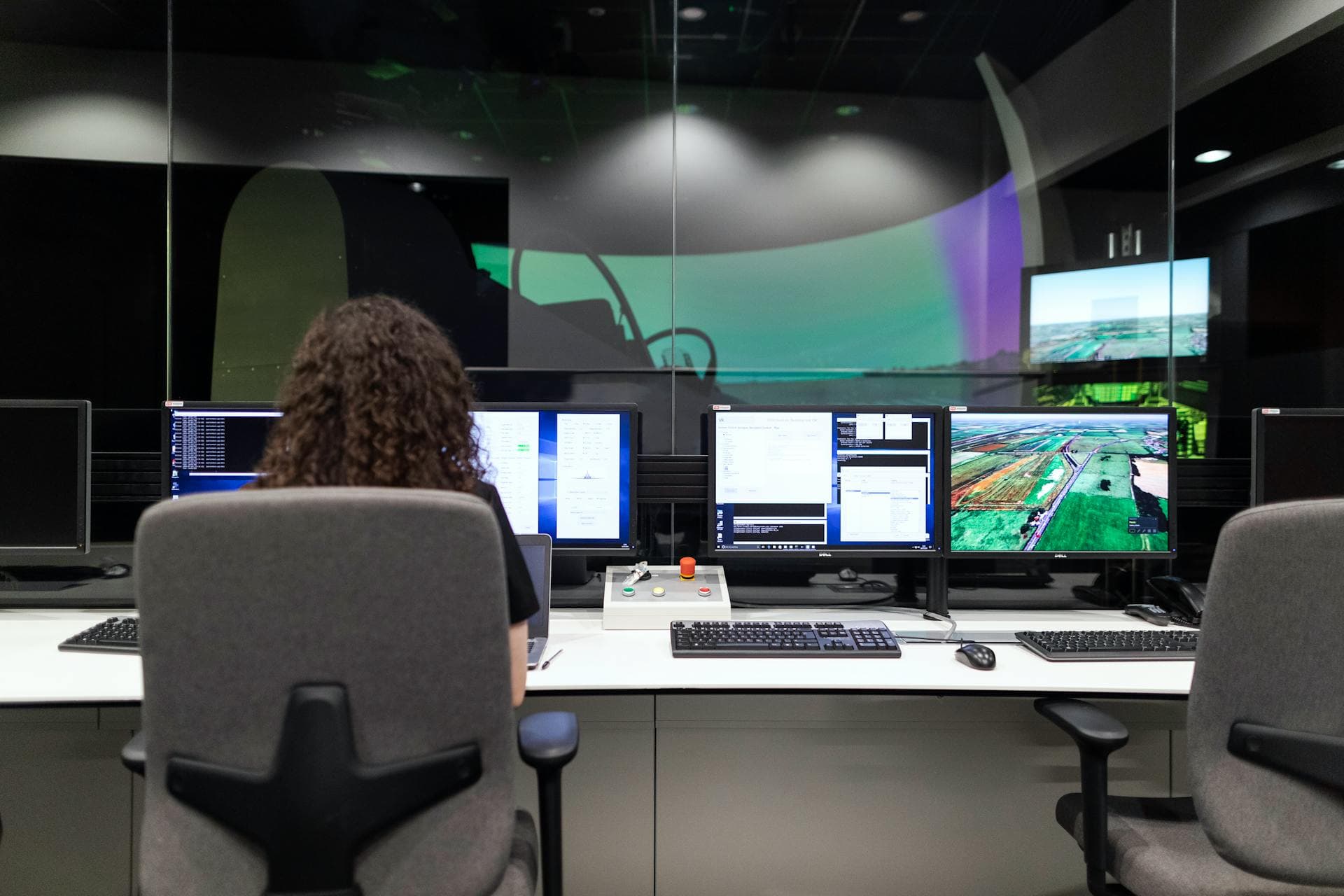
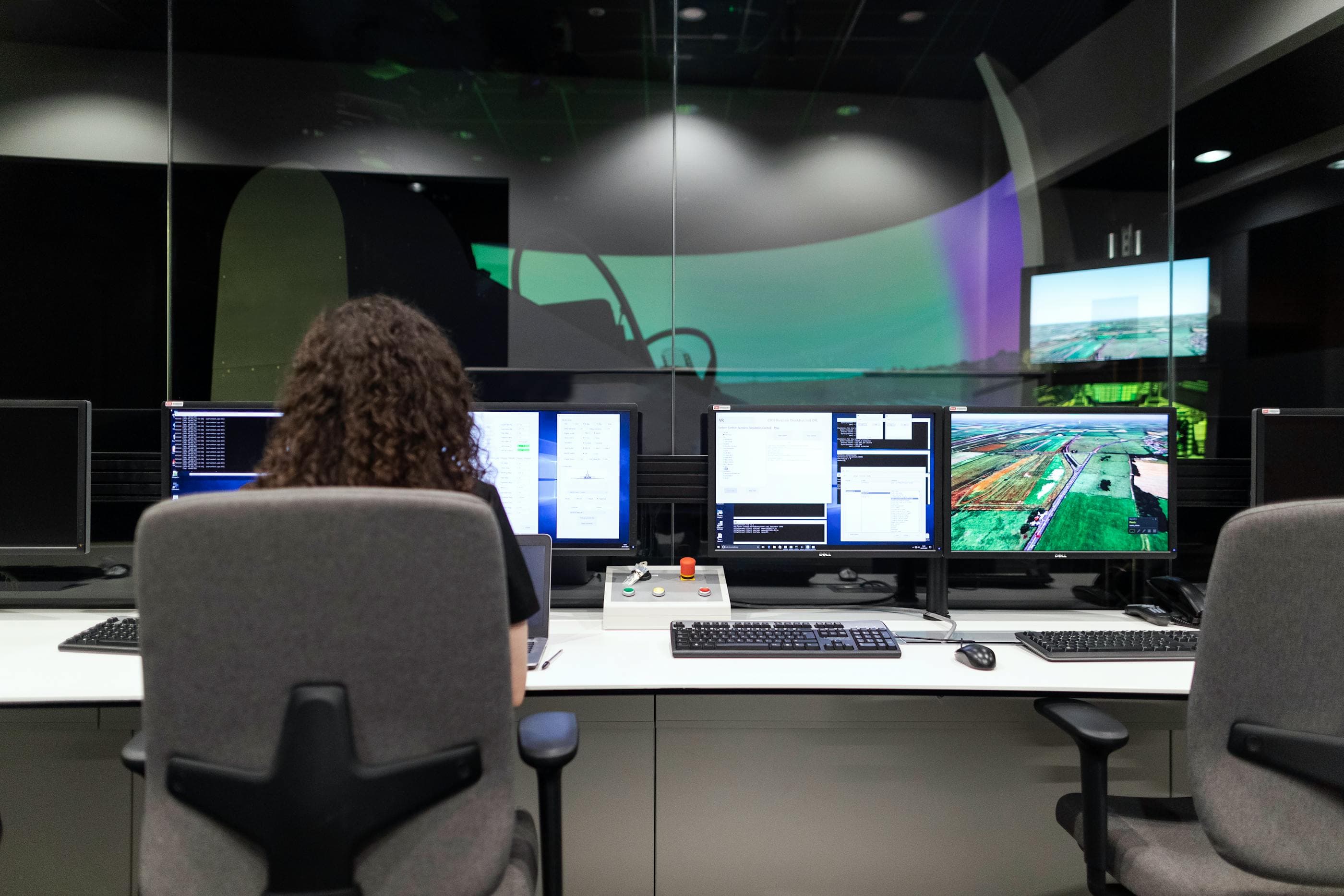
A student at a multi-monitor engineering workstation with maps, telemetry, and control hardware
  • X

    Design a localized mesh network for emergency services

    Draft radio/link budgets, failover rules, and a validation table for packet loss under congestion. Document compliance assumptions for spectrum use at a high-school lab level.

    RF systems · resilience · specification hardening

  • Y

    Program a PID controller for a self-balancing robot

    Implement or simulate PID gains with anti-windup; log step responses and iterate against an acceptance envelope, with no tuning by vibes.

    Control theory · embedded loops · validation plots

  • Z

    Analyze the thermal efficiency of a simulated smart home

    Model zones, insulation R-values, and HVAC duty cycles; produce an efficiency report with explicit assumptions and sensitivity notes.

    Energy balance · simulation discipline · drafting results

Industry standards

How professional engineering frames the work

These are the habits that separate a classroom prototype from something you could hand to a reviewer: traceability, revision discipline, and safety culture.

Students integrating software with hardware during an engineering lab session

Drafting & revision control

Drawings and CAD releases carry part numbers, revision letters, and change history: the same discipline as industry PLM, scaled for student teams.

Validation & verification

V&V separates “did we build the right thing?” from “did we build it right?”. Trace tables link requirements to tests, not slide promises.

Compliance as design input

Codes and standards (electrical, mechanical, export) enter the spec early; hardening means designing for inspectors, not apologizing later.

Safety culture in the shop

LOTO mindset, PPE, and peer checks: engineering professionalism shows up before the first power-on.